

What Martin Luther King Day Means for Women and Girls Today
Today, as we honor Dr. Martin Luther King, Jr. with a day of admiration and celebration, we have ample time to reflect on Dr. King’s leadership and the lasting impact his words and service had on the world.
Including his impact on women and girls. For while Dr. King was a tireless civil rights activist, he was also an early and effective advocate of women’s rights.
Like what? Girls researching his work over the holiday might ask.
Like the fact that women's rights are civil rights.
According to the National Organization of Women (NOW), Dr. King “took a bold and forthright position in favor of contraception” as early as the 1950s. He marched with women seeking equal pay and fairer hours, supported the Committee for Equal Justice (the women’s organization that trained Rosa Parks and other activists) and maintained that women’s rights were civil rights. “Injustice anywhere is a threat to justice everywhere,” he is famous for stating in his 1963 Letter from Birmingham, Alabama Jail, and his unwavering support of gender equality showed he meant it.
Who were the women who influenced Dr. King?
So many. Let’s talk about two:
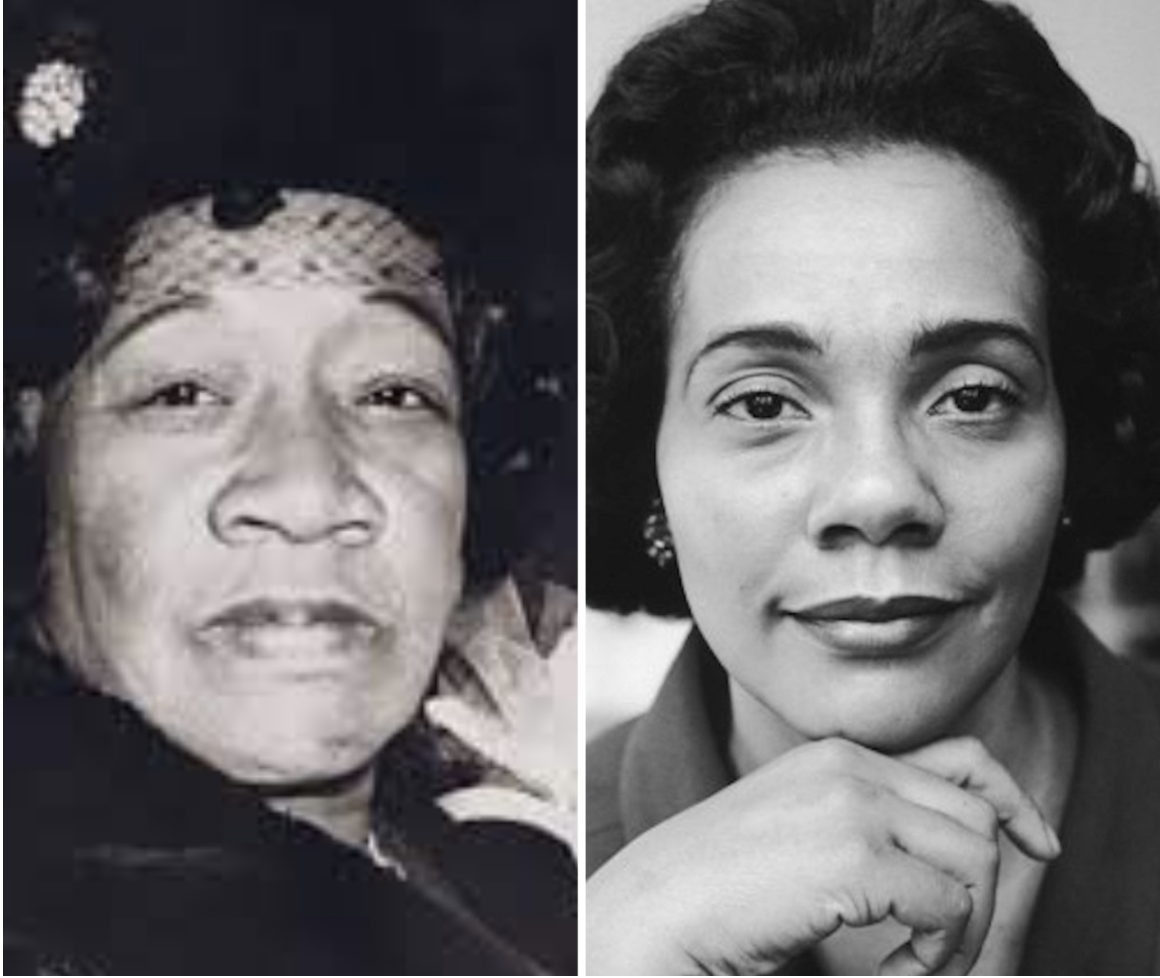
First, Alberta Williams King, Dr. King’s mother. Receiving her college degree at Morris Brown College in Georgia, Mrs. King became a leader in her community, running her church choir and serving as an active member of the NAACP, YWCA and the Women’s International League for Peace and Freedom. “Unlike my father,” Dr. King is quoted as reflecting on his mother, “she is soft-spoken and easy-going. In spite of her relatively comfortable circumstances, my mother never complacently adjusted herself to the system of segregation. She instilled a sense of self-respect in all of her children from the very beginning.”
Next, his wife, Coretta Scott King. A musician like his mother (they met in Boston while she was a student at the New England Conservatory of Music), Scott King joined the school’s Civil Liberty Committee and became a beacon of strength and leadership. “My wife was always stronger than I was through the struggle,” Dr. King wrote in his autobiography, and Scott King was indeed “a social justice powerhouse in and of herself.” Keeping her husband’s work alive during his imprisonments and following his assassination, Scott King spent the rest of her life fighting on behalf of civil rights, gender equity and LGBTQ+ issues until her death in 2006.
There are, of course, many more women who worked alongside Dr. King in furtherance of civil rights. Think Dorothy Cotton, the Director of Education for the Southern Christian Leadership Conference who oversaw the training of thousands in nonviolent protests for voter rights; Ella Baker, Executive Director of the SCLC who advocated for higher teacher salaries; JoAnn Robinson, President of the Women’s Political Council, who helped activists find out about the Montgomery Bus Boycott when she printed 50,000 fliers in a single night; Daisy Bates, President of the Arkansas NAACP during the desegregation of Little Rock Central High School; and Mahalia Jackson, gospel singer and fellow activist whose urging to “Tell them about the dream, Martin!” at the March on Washington reportedly influenced the iconic speech that followed.
But who is continuing Dr. King’s work today? I hear girls asking.
For one, his daughter Dr. Bernice King.
Lawyer, minister, author and activist, Dr. King is also the CEO of The King Center, the organization not just enshrining her father’s legacy, but ensuring “that her dad’s philosophy and nonviolent methodology are integrated into media, government and education.”
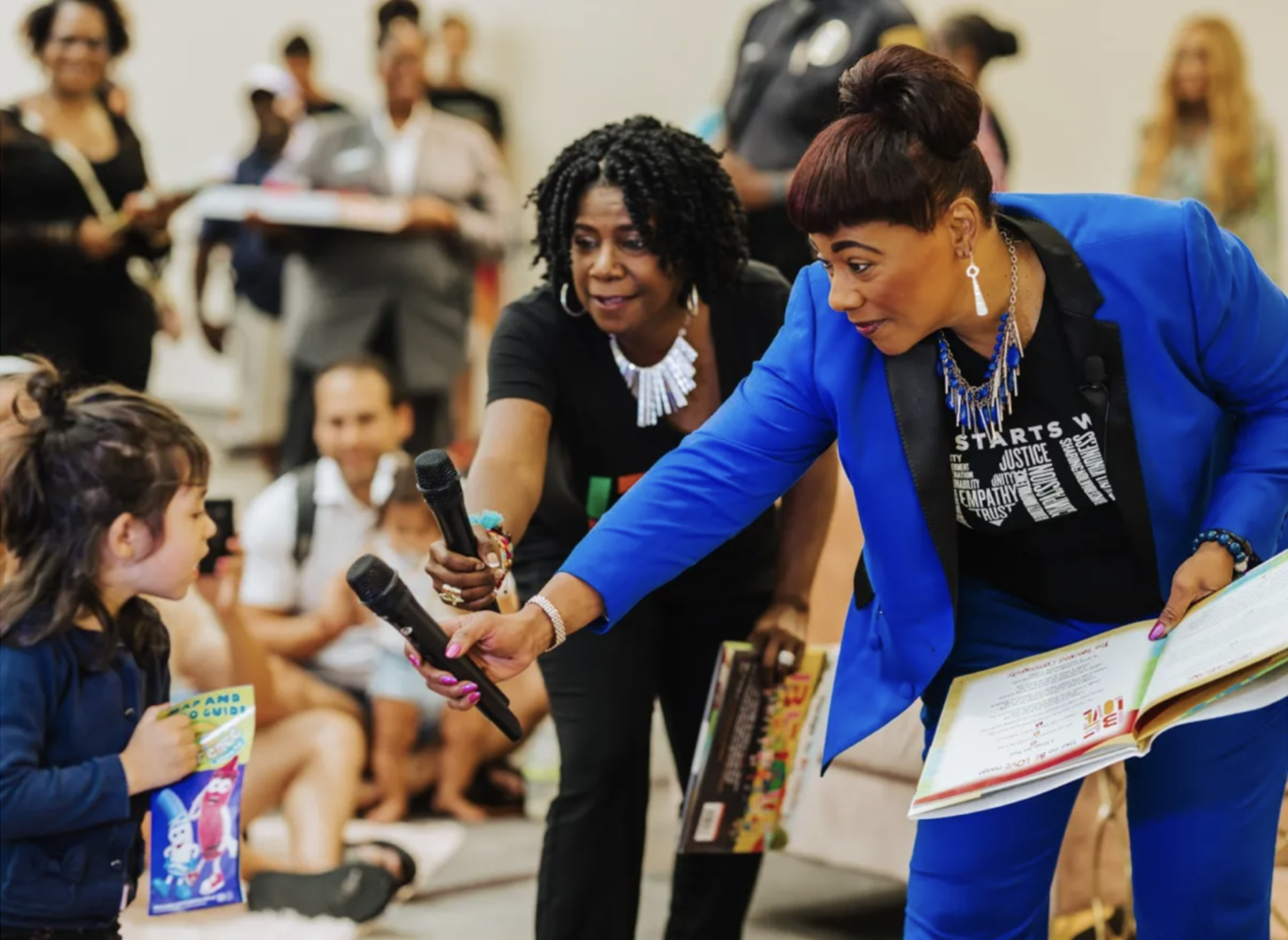
Two years ago, she launched a campaign called Be Love “designed,” King told a Texas magazine, “to really inject in our polarizing culture, the notion that love has the power to transform lives, to address injustices and handle conflict.” King wanted to encourage the next generation to seek change at an early age, and in furtherance of that point co-authored a children’s book with educator Dr. Kimberly Johnson called It Starts With Me, inspiring kids everywhere to “Be Love.”
“It’s going to start with each one of us understanding the power of love, to respect people to treat people with dignity,” King said in the same interview. “That’s really the reason why now more than ever, it’s needed across the world.”
And, the world agrees.
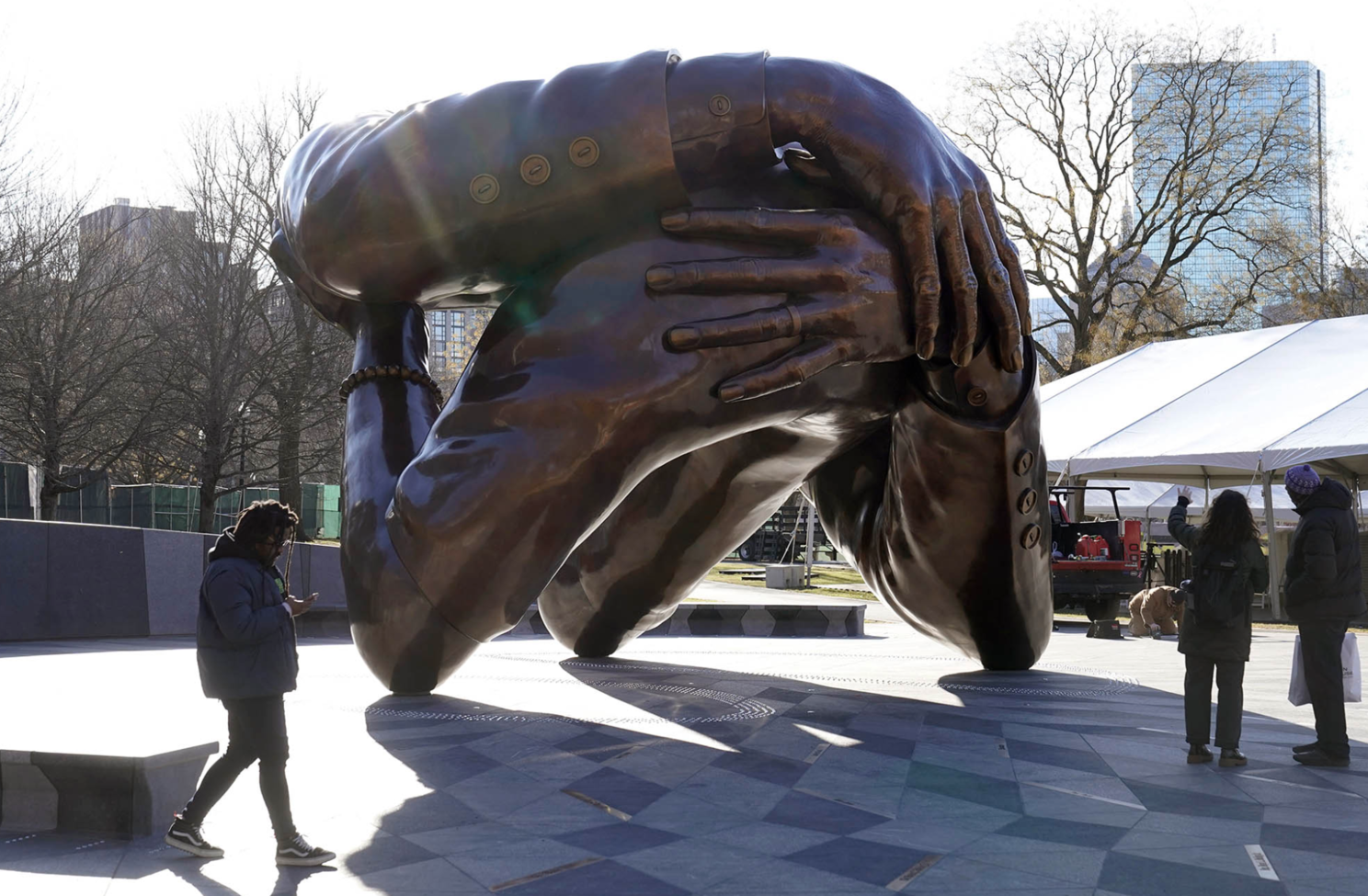
At last week's unveiling of Embrace, the 22-foot bronze sculpture depicting four interlocking arms to commemorate the hug her parents shared after her father received the Nobel Peace Prize, the love was felt.
As we reflect on the enduring work of Martin Luther King, Jr., we simultaneously remember the women who influenced his life - role models one and all. From those who came before him, to those who worked and marched at his side, to those continuing to spread his message of love, peace and justice today, we stand in awe. If you are home from work or school today, dive into the activities and resources curated by The King Center, and share them widely.
And may we all take a moment - or a lifetime - to bring change to the world around us.
Looking forward,
Illana

ÊXTRA: Three epic MLK Jr. quotes to inspire and impact your day: “Life’s most persistent and urgent question is: What are you doing for others?” – The Dream at the Detroit March; “The time is always right to do what is right.” – Oberlin College Commencement Speech; and “Everybody can be great…because anybody can serve. You don’t have to have a college degree to serve. You don’t have to make your subject and verb agree to serve. You only need a heart full of grace.”– Ebenezer Baptist Church.