

When Early Dreams Come True: An Interview with Gen Z Author & Activist Marley Dias
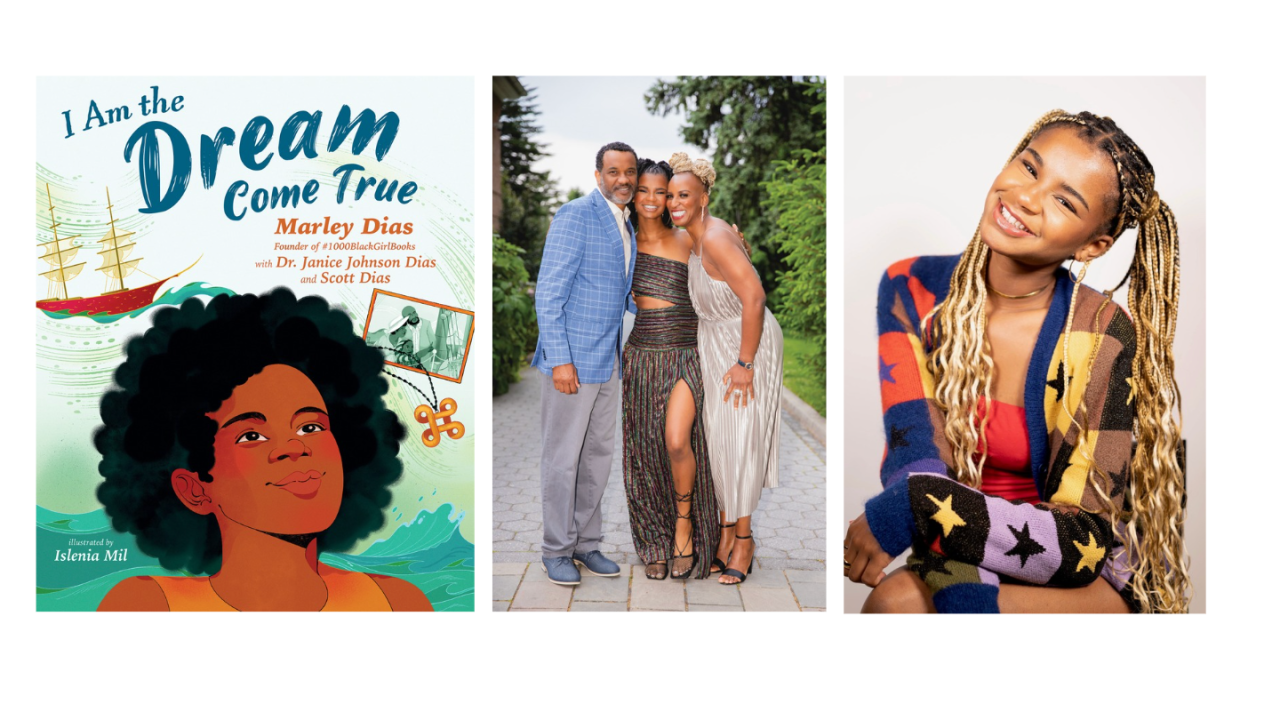
Chatting with author and literary activist Marley Dias can feel like a dream come true.
Perhaps it's because I first met Marley when she was ten years old and had just launched the #1000BlackGirlBooks campaign to help girls read more books with Black girls in main character roles.
Maybe it's because Être followed Marley's work through schools and libraries and interviewed her after she wrote her first book Marley Gets It Done and So Can You at age 13.
Or it could be because, despite being the youngest person ever named to the Forbes 30 Under 30 List at 13, being recognized at age 14 by TIME as one of the 25 Most Influential Teens or becoming Executive Producer and host of the Netflix series Bookmarks: Celebrating Black Voices at 16 (earning a 2021 NAACP Image Award nomination for Outstanding Children’s Program in the process), chatting with Marley is always easy, inspiring and results in conversations you can't wait to share.
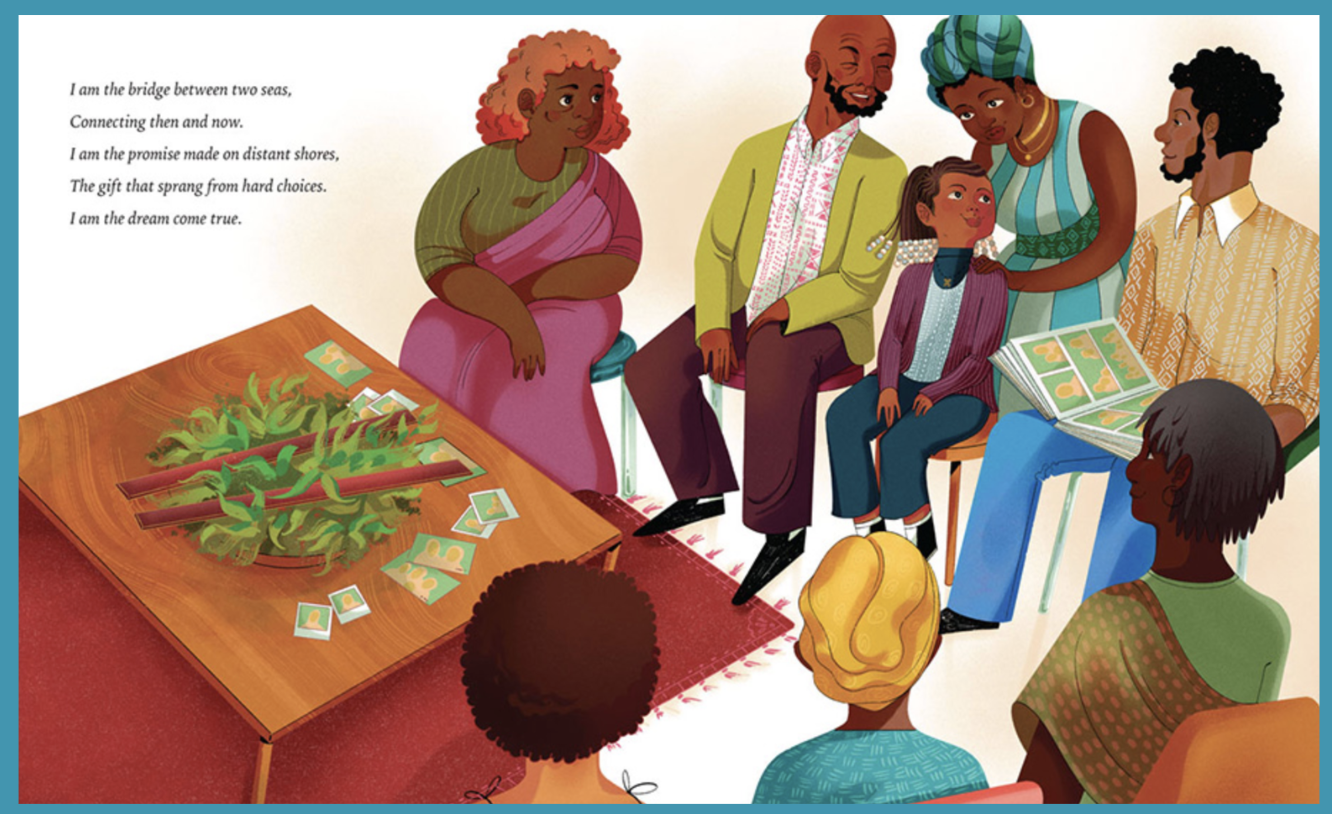
That's exactly how I felt this morning as Marley and I discussed her newest book, I Am the Dream Come True. Debuting just over a month ago, co-authored with parents, Dr. Janice Johnson Dias and Scott Dias, and aimed at the younger set (ages 4-8), these gorgeously illustrated pages break down big themes like ancestry, lineage, tracing roots and building bridges into accessible and empowering ideas for the next gen to absorb, reread and build upon.
With gratitude to Marley for always making the time and my heartfelt desire to get this book onto every summer reading list, below is an edited version of our convo earlier today. It already made my week.
IR: Okay, to start – I love this book so much! It’s so cool to talk to you about it since Être has known you since you were around the age of the book's audience! That’s only just a bit younger than you were when you started #1000BlackGirlBooks when you were 10 and then you wrote your first book – can you talk a little bit about why you picked that age demographic to speak to this time?
MD: Definitely - I think one of the topics we wanted to think about in the book was identity formation and, as you said, I founded #1000BlackGirlBooks around age 10. So, when thinking about the type of young people I want to support and the kind of guidance that made me the person I am today, I think so much of that is through heritage and through my understanding of family. So, when writing this book it was super exciting to think about how to tell that to young people and how do it in a different way than I did it in my first book, which was so much about activism. This is much more about the people that have inspired you and the people that come before you. It was it was important for us to try to take a complicated topic and make it more accessible to young people… this felt like the great a great age group to experiment with that idea.
IR: Love that, and also love that you teamed up with your parents for this project! Not just because I know your parents and think they're fantastic, but because it’s a profoundly intergenerational way to talk about legacy, self-belief, mentorship and more. Did you always plan to write a book with your parents, or did that come about more organically?
MD: I did always plan to write it with my parents! My mom was someone who was really interested in the idea and pushed us to write a second book; she thought it would be something for us to do together. And when it came to the idea and the theme, that's something we all worked on together. You ask yourself: what message do you want to send? I always knew that I wanted to write it with my parents because it feels like an achievement, and being an author is an achievement I wanted them to share.
IR: So beautiful. And the illustrator, Islenia Mil - did you know her beforehand? The illustrations are spectacular!
MD: No, we didn't! It was really cool - the Scholastic team was able to scout for amazing artists for us to review. It wound up being an easy choice when we picked her because I felt like she was the illustrator who really spoke to us.
IR: They’re perfect. Now you know with Être, we’re always talking about mentorship. Given how much of this book focuses on ancestry, lineage and connection, is mentorship a theme here too? And on a related note, were there mentor moments in the authorship process that you remember?
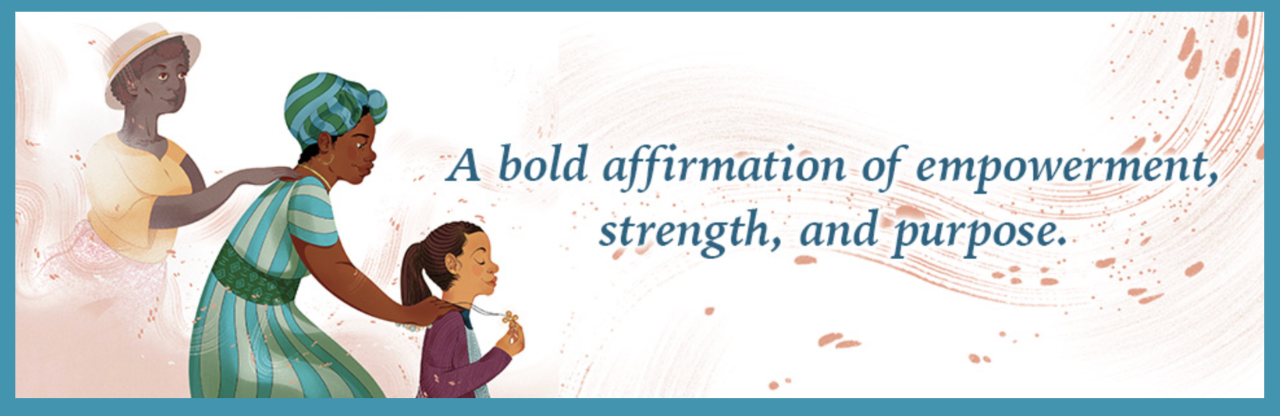
MD: Yes! Our biggest mentor in writing the book was Jacqueline Woodson. She has been an amazing support to all of us, and reading her book, The Day You Begin, was one of the things that inspired us when writing a children's book. When it comes to mentorship, I'd say there's a page in the book that shows different generations passing down a necklace - that is the closest kind of example we have where so much of the inspiration and support that I've received comes from my family. I think that scene, in particular, is a way of showing how much of the support that I've received comes from those who came before me.
IR: Last question - you've spent so much of your time, not even your career because you've only just graduated college, but your school years speaking out, inspiring, and empowering others. When you think about continuing that mission…what’s next? What is the next microphone you want to stand in front of to continue to speak to the next generation like this?
MD: I really like the art world and the creative world; I think it would be cool to work on new and different forms of representation of Black life. Specifically, I really like the museum, gallery, libraries, and archival kind of space, and I could see myself going into that into the future. I think it would be great to be able to teach more young Black people about Black history through archives and in libraries and museums, because I've done a lot of it through books. But I think these spaces also have a lot of exclusionary practices by nature, and a lot of kids are just not, by nature of class, exposed to museums and galleries. Having more Black people in that space would be helpful to correct and support new and inclusive narratives about American history. That’s the goal.
It is indeed.
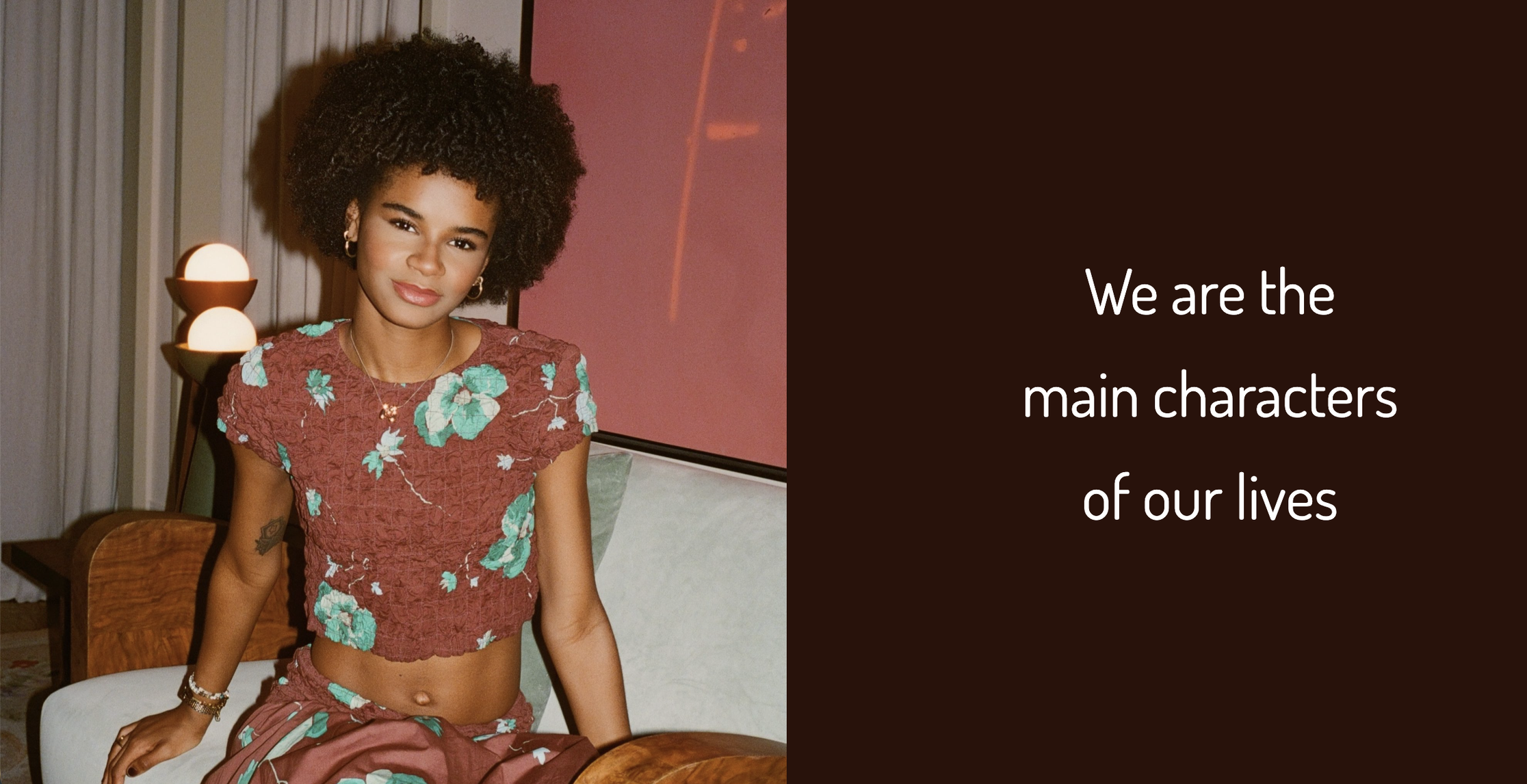
And when it comes to goal-setting, Marley Dias is a role model for the next gen to watch. Urging all of us to be the main characters in our own lives, Marley is fresh off her Harvard University graduation, joyfully advising Hello Sunshine's Sunnie as an Advisory Board member and considering next steps with thoughtfulness and purpose.
I Am the Dream Come True is already garnering widespread praise and makes the perfect summer book or back to school gift for young readers with adult-sized dreams. To read the buzz see below...


ÊXTRAS: Three more things about Marley and I Am the Dream Come True you won't want to miss: her interview on CBS news here, the full Kirkus review here and her family interview here.