

Why We Watch: Moments That Mattered at the 95th Academy Awards
Why do we watch?
Why, every year, do we scramble onto couches with remotes or laptops to glimpse the fashion, predict the winners and comment on the speeches? What is it about the Academy Awards that continues to hold our interest?
We asked girls at Être, and while answers like we like to see talent recognized and it makes me want to see more movies in theaters bubbled up, today’s teens actually added to our list of questions with more of their own. Here are a few things that next gen girls wanted to know about the 95th Oscars on the morning after:
First, why is it called the Oscars?
According to BBC News, there are three potential sources for this moniker:
One is that the late US columnist Sidney Skolsky was responsible for the award’s nickname;
One is that actress Bette Davis bestowed the name after commenting that “the backside of the statuette looked like that of her husband, Harmon Oscar Nelson;” and
One is that former Academy librarian Margaret Herrick decided that the statue looked like her uncle Oscar, and this reflection took hold among her peers.
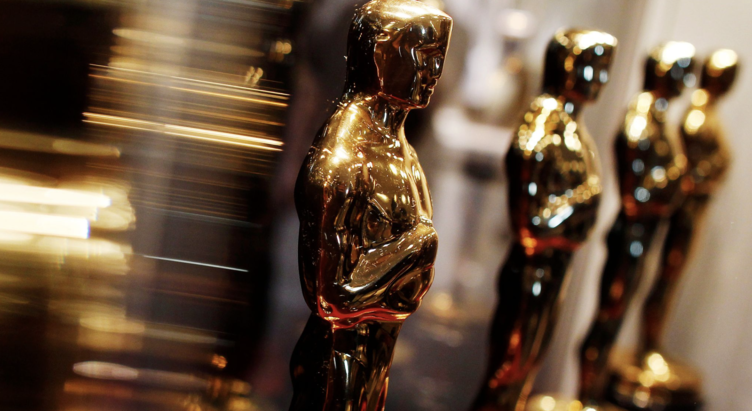
In any case, the gold statues that each weigh 8.5 lbs and measure 13.5 inches tall have been referred to as Oscars since 1929. And a bonus piece of trivia: After the annual shipment of statues were stolen in 2000, the Academy keeps a second set of statues on hand before the event…just in case.
What have been some of the most epic Oscar moments for women over the years?
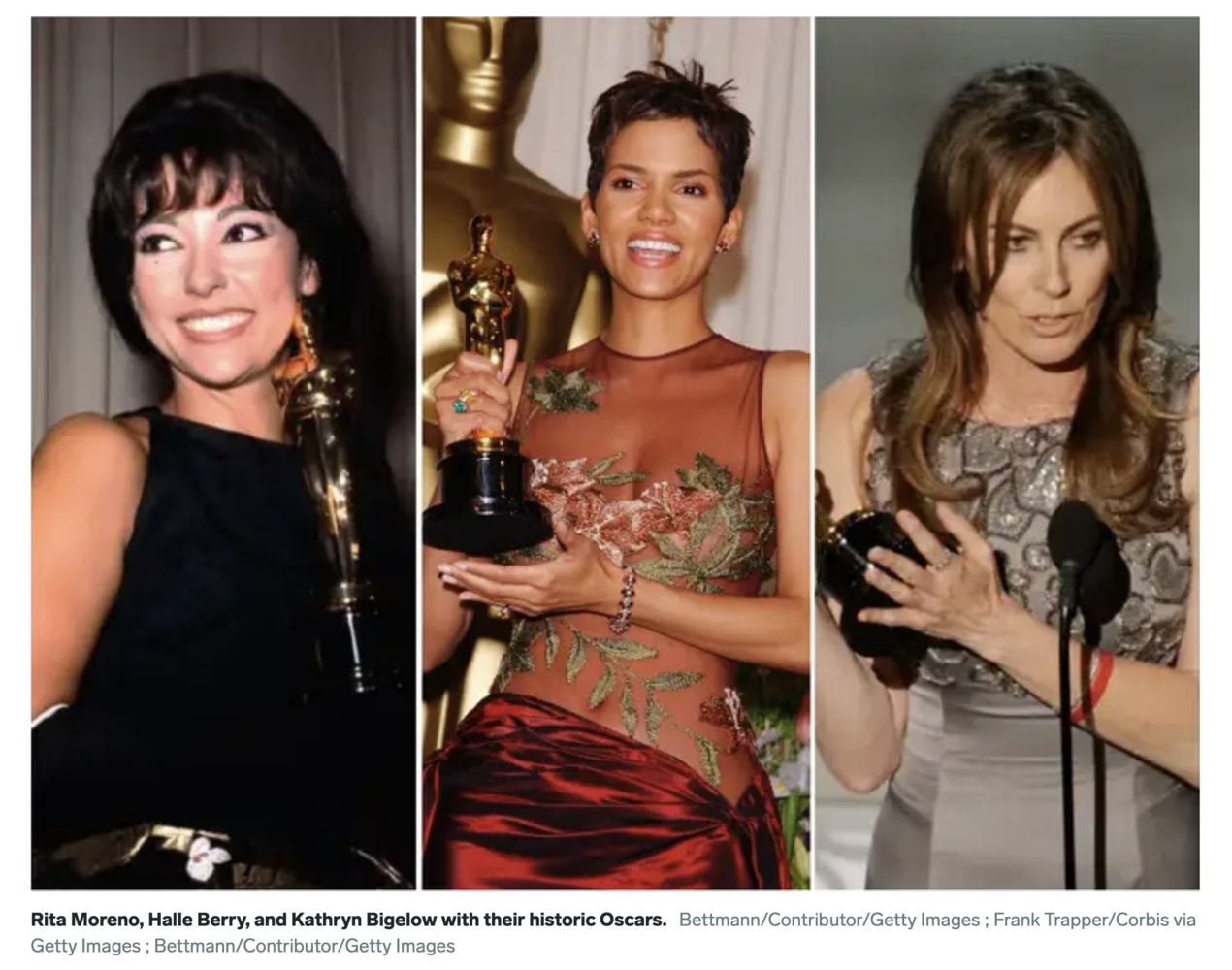
Here are ten formidable firsts that stand out:
Rita Moreno became the first Latina woman to win an Oscar in 1962, and remains one of the few EGOT holders as she has an Emmy, Grammy, Oscar, and a Tony;
Julia Phillips was the first female producer to win a best picture Oscar, winning in 1973,
Buffy Sainte-Marie became the first Indigenous person to win an Oscar in 1983;
Halle Berry was – and is still - the only Black woman to win an Oscar for best actress, accepting the award in 2001;
Kathryn Bigelow became the first woman to win best director in 2010;
Ruth Carter was the first Black woman to win an Oscar for best costume design in 2019 (last night she became the first Black woman to win the award a second time!);
Chloé Zhao, in 2021, became the second woman ever and the first woman of color to win best director;
Jane Campion's second Oscar nomination (and subsequent win) for best director in 2022 made her the first woman to receive multiple Oscar nominations for directing;
Ariana DeBose broke barriers in 2022 as the first openly queer actor of color and first Afro-Latina to win an Oscar; and
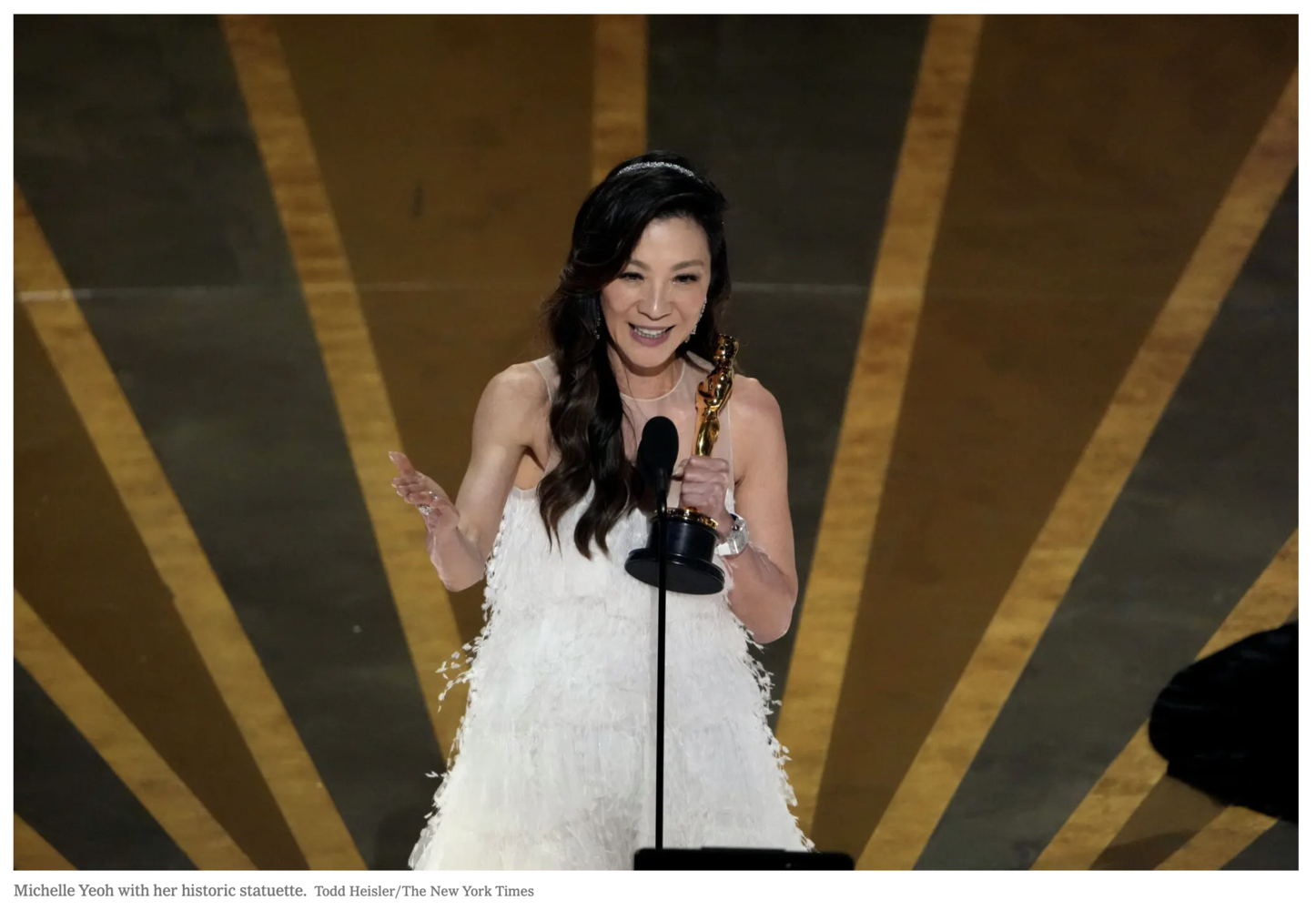
Michelle Yeoh, making history last night as the first Asian woman to win a best actress Oscar, bringing the room to its feet as she said:
"For all the little boys and girls who look like me watching tonight, this is a beacon of hope and possibilities…This is proof that dreams — dream big, and dreams do come true.” “And ladies,” she added, “don't let anyone tell you [that] you are past your prime.”
With all these historic wins, why does diversity continue to be an issue at the Academy Awards?
Why indeed? At this year’s awards it was stunning that films with Black directors and leading actors were not nominated, and that no women received nods in the best director category. However, a new USC study released in early March by USC Annenberg’s Inclusion Initiative points out that Oscar nominations in underrepresented sectors have increased after activist April Reign created the viral hashtag #OscarsSoWhite in 2015.
Specifically, the USC study found that 8% of nominees between 2008 and 2015 were from underrepresented racial or ethnic groups, and in the post-hashtag era between 2016 and 2023, that number increased to 17%. Additionally, while women represented 21% of Oscar nominees prior to 2015, that number rose slightly to 27% in the eight years that followed.
While the Academy is far from reaching equal representation across all 19 categories, the Oscars plan to introduce new rules in 2024 in a renewed effort to improve diversity. Will they help? We’ll be watching closely next year to see.
What was your favorite moment?
There were a bunch.
Ariana DeBose near tears while reading the name of the Everything Everywhere All at Once actor Ke Huy Quan (the first actor born in Vietnam to win), and his moving acceptance speech. “My journey started on a boat. I spent a year in a refugee camp,” he said. “Somehow, I ended up here on Hollywood’s biggest stage. They say stories like this only happen in the movies. I cannot believe it’s happening to me. This — THIS — is the American dream.”
Lady Gaga, discarding her pre-show glam and appearing in ripped jeans to sing a stripped-down version of Hold My Hand, her Oscar-nominated original song from Top Gun: Maverick.
Jamie Lee Curtis sharing her win with the world. “I am hundreds of people,” she began, “WE just won an Oscar.” “To all of the people who have supported the genre movies…WE just won an Oscar together.” Adding that both of her parents were nominated for the award in different categories in the past, she tearfully raised the statue and simply said – "we won an Oscar."
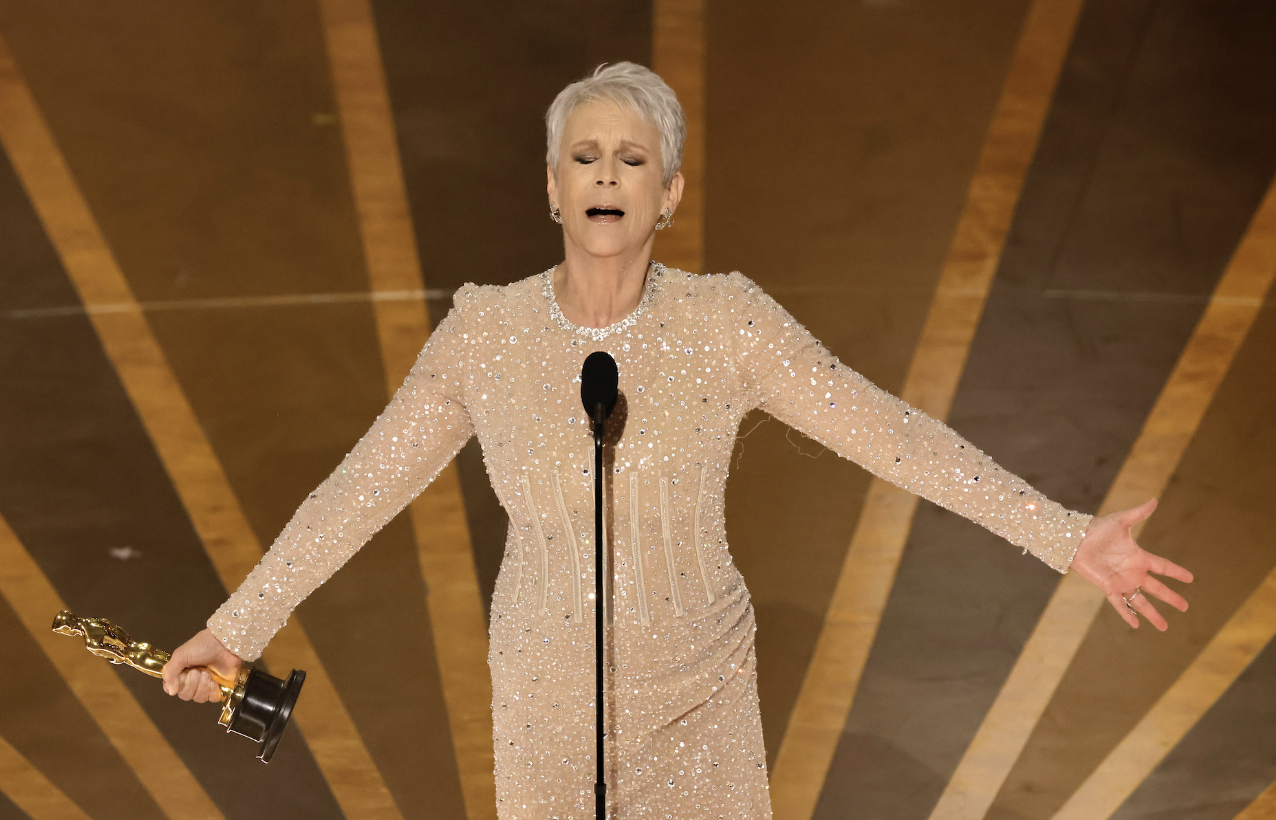
And while not everyone was feeling the love, her shock and gratitude were evident and contagious.
This is why we watch.
For the real-life moments that feel like the movies.
And the hope that next year there will be even more firsts, more wins for women and more role model examples for future Oscar winners to watch.
Looking forward,
Illana

ÊXTRAS: Three more Oscar moments you’ll want to rewatch: Rihanna’s Lift Me Up performance, the surprise rendition of Happy Birthday that star James Martin received from his Oscar-winning cast, and Malala’s pitch-perfect response to Jimmy Kimmel, “I only talk about peace.” Mic drop.